Into the Restless Ruins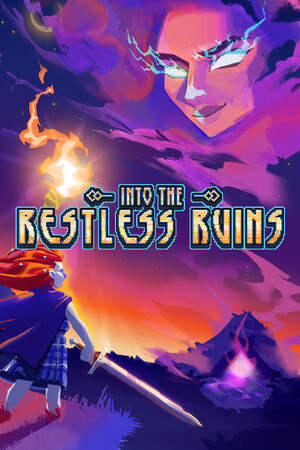
 May 15, 2025May 15, 2025May 15, 2025May 15, 2025Oct 25, 2025Sep 14, 2025
 May 20, 2025May 17, 2025May 15, 2025May 15, 2025
76561199154389241
Recommended2 hrs played (2 hrs at review)
Welcome to my dungeon. It's just 30 armories stacked in a straight line.
4 votes funny
76561199154389241
Recommended2 hrs played (2 hrs at review)
Welcome to my dungeon. It's just 30 armories stacked in a straight line.
4 votes funny
76561198047414790
Recommended0 hrs played
PUMP THAT SOUNDTRACK DIRECTLY INTO MY VEINS!!!
2 votes funny
76561198057245351
Recommended13 hrs played
This game gives you the satisfaction of planning and building a dungeon that lets you get to your goals and stack buffs perfectly. Then you run out of light, panic and suddenly its an inescapable labyrinth in which you have no idea what the right way is. 10/10, I will be playing this one for a lot.
2 votes funny
76561198005766837
Recommended3 hrs played (2 hrs at review)
Surprisingly good.
Combat could use a little work, but eh, it's ok.
Do expect enemies to get stuck near trees though.
1 votes funny
76561198367471798
Recommended21 hrs played (16 hrs at review)
Into the Restless Ruins, developed by Ant Workshop Ltd and published by Wales Interactive, offers a fresh and inventive take on the roguelike deckbuilder genre by blending dungeon construction with card-based strategy. Released in 2025, the game distinguishes itself through its unique mechanic that allows players to shape the dungeon layout itself using a deck of cards, rather than simply battling through a pre-designed environment. This innovative design creates a compelling mix of strategic planning and procedural generation that keeps each playthrough feeling new and rewarding.
The gameplay revolves around nightly excursions into mysterious ruins, where players expand the dungeon by placing cards that represent rooms, corridors, and other elements. Each card added not only changes the dungeon’s architecture but can also trigger synergies and bonuses that affect the player’s combat efficiency and progression. This system demands a thoughtful balance between building a cohesive layout and optimizing for the strongest combinations of cards and relics. Rather than controlling the hero directly in combat, players rely on an auto-battle system that rewards well-planned dungeon design and deck composition, adding a unique layer of indirect tactical control.
Deeply rooted in Scottish folklore, the game’s narrative and world-building add considerable depth and charm. Players encounter various mythological creatures and characters, such as the Hen Wife and the Wulver, who provide meaningful interactions and gameplay benefits. These elements enrich the atmosphere, making the journey through the ruins feel like a true folklore-inspired adventure. The ultimate goal is to gather Glimour, a mystical resource from the cursed denizens of the ruins, and confront The Warden—a formidable boss drawn from legend—in hopes of unlocking the Maiden’s promise. This storytelling framework provides motivation and context that elevates the roguelike experience beyond simple dungeon crawling.
The scope and variety of Into the Restless Ruins are impressive. With over a hundred cards across multiple categories, dozens of unique enemies, including several bosses, and an assortment of passive charms and weapons to unlock, the game offers plenty of content and strategic options. Each run can feel dramatically different depending on the cards drawn and the dungeon layout chosen, encouraging players to experiment with different strategies and builds. The meta-progression system adds further depth, rewarding players with new relics and cards that can shift how future runs play out, maintaining long-term engagement and replayability.
While the game’s innovative mechanics and thematic richness have been widely praised, there are some points of contention among players. Some have noted occasional technical issues such as performance dips and crashes, which can disrupt the flow of gameplay. Others have expressed a desire for more variety in enemy behavior and dungeon design to deepen the combat challenge and keep encounters feeling fresh. These critiques point toward areas where the game could be polished further, and it appears the developers are attentive to community feedback with plans for future updates and improvements.
Overall, Into the Restless Ruins stands out as a thoughtfully crafted and original roguelike deckbuilder that successfully combines strategic dungeon building with an evocative narrative inspired by Scottish folklore. Its unique gameplay loop, combining card placement with indirect combat management, offers a refreshing experience for genre enthusiasts. Though not without its flaws, the game’s strong foundation, rich thematic world, and abundant content make it a rewarding title for players seeking a challenging and atmospheric roguelike adventure. As the game continues to evolve, it holds significant promise to become a memorable and enduring entry in the deckbuilder and roguelike communities.
Rating: 8/10
1 votes funny
76561198030847896
Not Recommended2 hrs played (2 hrs at review)
I very rarely leave negative reviews, and I didn't hate this game. But dear god did it frustrate me immensely with its mix of brilliant and awful design decisions.
Okay first off: combat. It is bad and uncompelling. It's just not engaging. It lacks any particular strategy. There's mild positioning that happens. The combat progression is slowly and largely irrelevant. Maybe I'll come back w/ a review that's like "actually combat really opens up after the 20th hour" but somehow I doubt it.
Then the leveling. I have very mixed feelings on this. Building out your deck is fun. Adding new cards to a deck is fun. But there's very little point in adding 5 copies of bonfire to your deck when you could just skip almost every ward and keep your deck leaner. Yes, there are a couple archetypes that make that less good, but generally speaking most of the "reward" that you get from killing mobs is booster chaff that you end up throwing away.
Oh but the actual building? The room placement? Glorious. Incredibly fun. And then the mad scramble to get back to your portal as your torchlight fades and your vision goes black while you're somehow managing to get lost in a labyrinth of your own design that you tetrised together so you could get all the bonuses? The death by hubris is incredibly humbling. And it's rewarding to work past it.
And that's not to talk about the weird building archetypes and progression and pseudo-heat system that I don't.....love but.....don't hate either?
I feel very similarly to this as I did to Cult of the Lamb: extremely compelling management sim with extremely mid combat, where you're going to spend most of your time in combat unfortunately.
1 votes funny
76561198361306424
Not Recommended0 hrs played
If I am being real, I was absolutely bored within 12 minutes of the game. I believe it is a cool concept, but just not exciting in my opinion.
1 votes funny
76561199274531178
Recommended1 hrs played (1 hrs at review)
one of this week's best new products,
and definitely the best card roguelike of the month !!!
P.S I don't know why, but after restarting I entered the game only on the second try. maybe it was a new update from the developers or something else
1 votes funny
76561198005150291
Recommended6 hrs played (5 hrs at review)
A deckbuilder where you create the dungeon you fight through? Sign me up! It’s creative, enjoyable, and offers enough content and depth to keep you busy for hours.
📝 Main Pros, Cons, and Suggestions, followed by the Review:
🟩 Pros: + Mid run saving is a massive QOL feature + A simple UI, with 3 coloured bars (health, energy, and light) + Various sized tiles featuring differing perks, rarities, and upgrades + The risk reward mechanic of losing health once your torch dims is well thought out + Building ruins to explore is creative, enjoyable, and thanks to building points, strategic as well + I personally love that there’s no minimap, its omission adds to the challenge and fun, as frustrating as it can sometimes be + 116 upgradable cards, 38 cantrips, 40 charms, 6 ruins, 12 weapons, 22 echoes, 62 creatures, and 3 characters (there’s A LOT to keep you busy) 🟥 Cons: - Boss fights (and combat in general) feels uninspiring - Some may not like the lack of minimap (I view it as an intentional design choice which complements the gameplay, rather than detracting from it) 🏷️ Suggestions: ~ Add a directional (or distance) indicator for the exit ~ More room variety, think destructible objects, gore (from defeated enemies), or torches on the wall to aid in navigationThe Wardens Await
Build ruins, explore them, reach, defeat, and harvest The Warden, but be warned, time is against you. Once your torch fades, the darkness will begin to consume you. Into the Restless Ruins (RR) is as engaging as it is creative, serving as a refreshing take to the deck builder genre. Each turn you’re given a selection of cards, and with your limited build points, you build into the mist, unlocking rooms hidden in the shroud. The goal is to hunt the seals, claim them, weaken the Warden, and eventually, create a path to defeat them. Doing so won’t please them, however, prepare to fight against a horde of every increasing enemies, both in numbers and levels. Defeating enemies and feeding on their magical energies earns favours which can be exchanged for additional cards, adding both complexity and rewards to your ruins. Outside of the building and combat, you’ll also need to juggle your health and torch, both crucial for survival. Health is self-explanatory, but your torch, well that slowly dims – If it dims enough, not only can’t you see far, you begin losing health rapidly. Finally, each night your skull bar will fill. Once reaching a skull, a curse will be added to your hand. Let the bar fill fully and you will fail – A simple system which does a good job at keeping you on your toes. Overall, Into the Restless Ruins is a unique addition to the deck builder genre. While I don’t enjoy the combat, the building aspect is a treat, feeling like a game of Tetris at points. It’s a solid buy, both for fans and newcomers to the genre!Follow our curator page: IndieGems if you like and want to see more reviews like this one.
1 votes funny
Into the Restless Ruins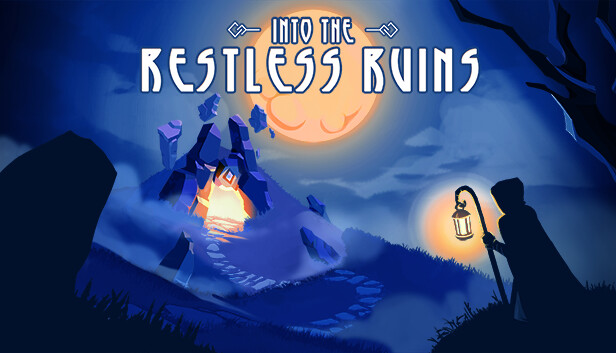 May 15, 2025May 15, 2025May 15, 2025May 15, 2025Oct 25, 2025Sep 14, 2025May 20, 2025May 17, 2025May 15, 2025May 15, 2025
76561199154389241
Recommended2 hrs played (2 hrs at review)
Welcome to my dungeon. It's just 30 armories stacked in a straight line.
4 votes funny
76561199154389241
Recommended2 hrs played (2 hrs at review)
Welcome to my dungeon. It's just 30 armories stacked in a straight line.
4 votes funny
76561198047414790
Recommended0 hrs played
PUMP THAT SOUNDTRACK DIRECTLY INTO MY VEINS!!!
2 votes funny
76561198057245351
Recommended13 hrs played
This game gives you the satisfaction of planning and building a dungeon that lets you get to your goals and stack buffs perfectly. Then you run out of light, panic and suddenly its an inescapable labyrinth in which you have no idea what the right way is. 10/10, I will be playing this one for a lot.
2 votes funny
76561198005766837
Recommended3 hrs played (2 hrs at review)
Surprisingly good.
Combat could use a little work, but eh, it's ok.
Do expect enemies to get stuck near trees though.
1 votes funny
76561198367471798
Recommended21 hrs played (16 hrs at review)
Into the Restless Ruins, developed by Ant Workshop Ltd and published by Wales Interactive, offers a fresh and inventive take on the roguelike deckbuilder genre by blending dungeon construction with card-based strategy. Released in 2025, the game distinguishes itself through its unique mechanic that allows players to shape the dungeon layout itself using a deck of cards, rather than simply battling through a pre-designed environment. This innovative design creates a compelling mix of strategic planning and procedural generation that keeps each playthrough feeling new and rewarding.
The gameplay revolves around nightly excursions into mysterious ruins, where players expand the dungeon by placing cards that represent rooms, corridors, and other elements. Each card added not only changes the dungeon’s architecture but can also trigger synergies and bonuses that affect the player’s combat efficiency and progression. This system demands a thoughtful balance between building a cohesive layout and optimizing for the strongest combinations of cards and relics. Rather than controlling the hero directly in combat, players rely on an auto-battle system that rewards well-planned dungeon design and deck composition, adding a unique layer of indirect tactical control.
Deeply rooted in Scottish folklore, the game’s narrative and world-building add considerable depth and charm. Players encounter various mythological creatures and characters, such as the Hen Wife and the Wulver, who provide meaningful interactions and gameplay benefits. These elements enrich the atmosphere, making the journey through the ruins feel like a true folklore-inspired adventure. The ultimate goal is to gather Glimour, a mystical resource from the cursed denizens of the ruins, and confront The Warden—a formidable boss drawn from legend—in hopes of unlocking the Maiden’s promise. This storytelling framework provides motivation and context that elevates the roguelike experience beyond simple dungeon crawling.
The scope and variety of Into the Restless Ruins are impressive. With over a hundred cards across multiple categories, dozens of unique enemies, including several bosses, and an assortment of passive charms and weapons to unlock, the game offers plenty of content and strategic options. Each run can feel dramatically different depending on the cards drawn and the dungeon layout chosen, encouraging players to experiment with different strategies and builds. The meta-progression system adds further depth, rewarding players with new relics and cards that can shift how future runs play out, maintaining long-term engagement and replayability.
While the game’s innovative mechanics and thematic richness have been widely praised, there are some points of contention among players. Some have noted occasional technical issues such as performance dips and crashes, which can disrupt the flow of gameplay. Others have expressed a desire for more variety in enemy behavior and dungeon design to deepen the combat challenge and keep encounters feeling fresh. These critiques point toward areas where the game could be polished further, and it appears the developers are attentive to community feedback with plans for future updates and improvements.
Overall, Into the Restless Ruins stands out as a thoughtfully crafted and original roguelike deckbuilder that successfully combines strategic dungeon building with an evocative narrative inspired by Scottish folklore. Its unique gameplay loop, combining card placement with indirect combat management, offers a refreshing experience for genre enthusiasts. Though not without its flaws, the game’s strong foundation, rich thematic world, and abundant content make it a rewarding title for players seeking a challenging and atmospheric roguelike adventure. As the game continues to evolve, it holds significant promise to become a memorable and enduring entry in the deckbuilder and roguelike communities.
Rating: 8/10
1 votes funny
76561198030847896
Not Recommended2 hrs played (2 hrs at review)
I very rarely leave negative reviews, and I didn't hate this game. But dear god did it frustrate me immensely with its mix of brilliant and awful design decisions.
Okay first off: combat. It is bad and uncompelling. It's just not engaging. It lacks any particular strategy. There's mild positioning that happens. The combat progression is slowly and largely irrelevant. Maybe I'll come back w/ a review that's like "actually combat really opens up after the 20th hour" but somehow I doubt it.
Then the leveling. I have very mixed feelings on this. Building out your deck is fun. Adding new cards to a deck is fun. But there's very little point in adding 5 copies of bonfire to your deck when you could just skip almost every ward and keep your deck leaner. Yes, there are a couple archetypes that make that less good, but generally speaking most of the "reward" that you get from killing mobs is booster chaff that you end up throwing away.
Oh but the actual building? The room placement? Glorious. Incredibly fun. And then the mad scramble to get back to your portal as your torchlight fades and your vision goes black while you're somehow managing to get lost in a labyrinth of your own design that you tetrised together so you could get all the bonuses? The death by hubris is incredibly humbling. And it's rewarding to work past it.
And that's not to talk about the weird building archetypes and progression and pseudo-heat system that I don't.....love but.....don't hate either?
I feel very similarly to this as I did to Cult of the Lamb: extremely compelling management sim with extremely mid combat, where you're going to spend most of your time in combat unfortunately.
1 votes funny
76561198361306424
Not Recommended0 hrs played
If I am being real, I was absolutely bored within 12 minutes of the game. I believe it is a cool concept, but just not exciting in my opinion.
1 votes funny
76561199274531178
Recommended1 hrs played (1 hrs at review)
one of this week's best new products,
and definitely the best card roguelike of the month !!!
P.S I don't know why, but after restarting I entered the game only on the second try. maybe it was a new update from the developers or something else
1 votes funny
76561198005150291
Recommended6 hrs played (5 hrs at review)
A deckbuilder where you create the dungeon you fight through? Sign me up! It’s creative, enjoyable, and offers enough content and depth to keep you busy for hours.
📝 Main Pros, Cons, and Suggestions, followed by the Review:
🟩 Pros: + Mid run saving is a massive QOL feature + A simple UI, with 3 coloured bars (health, energy, and light) + Various sized tiles featuring differing perks, rarities, and upgrades + The risk reward mechanic of losing health once your torch dims is well thought out + Building ruins to explore is creative, enjoyable, and thanks to building points, strategic as well + I personally love that there’s no minimap, its omission adds to the challenge and fun, as frustrating as it can sometimes be + 116 upgradable cards, 38 cantrips, 40 charms, 6 ruins, 12 weapons, 22 echoes, 62 creatures, and 3 characters (there’s A LOT to keep you busy) 🟥 Cons: - Boss fights (and combat in general) feels uninspiring - Some may not like the lack of minimap (I view it as an intentional design choice which complements the gameplay, rather than detracting from it) 🏷️ Suggestions: ~ Add a directional (or distance) indicator for the exit ~ More room variety, think destructible objects, gore (from defeated enemies), or torches on the wall to aid in navigationThe Wardens Await
Build ruins, explore them, reach, defeat, and harvest The Warden, but be warned, time is against you. Once your torch fades, the darkness will begin to consume you. Into the Restless Ruins (RR) is as engaging as it is creative, serving as a refreshing take to the deck builder genre. Each turn you’re given a selection of cards, and with your limited build points, you build into the mist, unlocking rooms hidden in the shroud. The goal is to hunt the seals, claim them, weaken the Warden, and eventually, create a path to defeat them. Doing so won’t please them, however, prepare to fight against a horde of every increasing enemies, both in numbers and levels. Defeating enemies and feeding on their magical energies earns favours which can be exchanged for additional cards, adding both complexity and rewards to your ruins. Outside of the building and combat, you’ll also need to juggle your health and torch, both crucial for survival. Health is self-explanatory, but your torch, well that slowly dims – If it dims enough, not only can’t you see far, you begin losing health rapidly. Finally, each night your skull bar will fill. Once reaching a skull, a curse will be added to your hand. Let the bar fill fully and you will fail – A simple system which does a good job at keeping you on your toes. Overall, Into the Restless Ruins is a unique addition to the deck builder genre. While I don’t enjoy the combat, the building aspect is a treat, feeling like a game of Tetris at points. It’s a solid buy, both for fans and newcomers to the genre!Follow our curator page: IndieGems if you like and want to see more reviews like this one.
1 votes funny